Advertisement
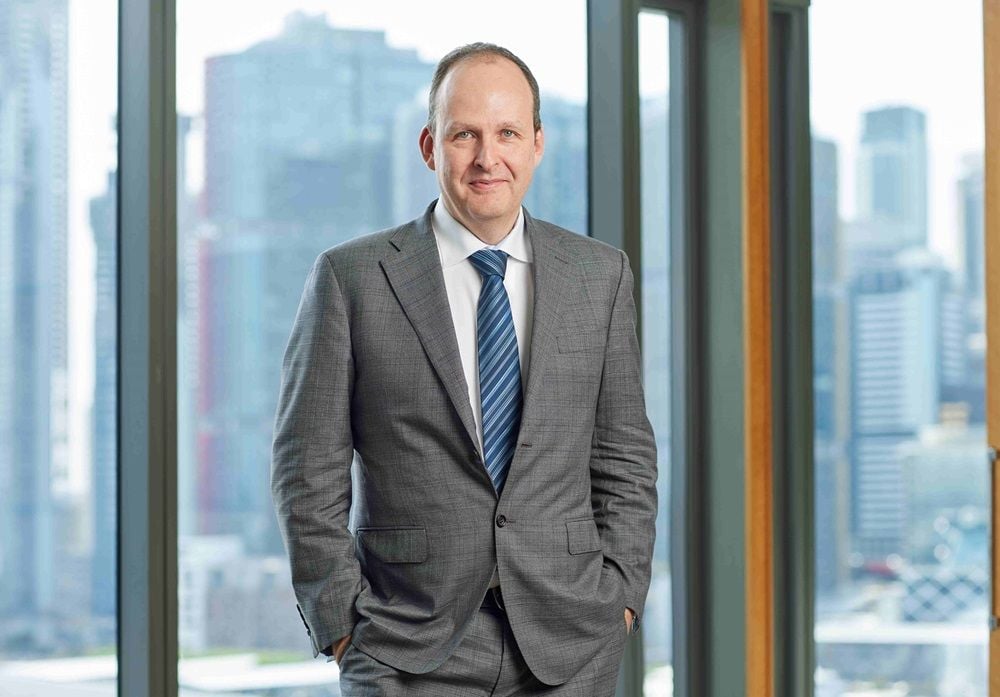)
‘Arrogant, not listening, not fast enough’: Former Star CEO reveals NSW casino regulator’s gripes
The Star Entertainment Group's (ASX: SGR) former CEO Robbie Cooke has revealed he was regarded by the NSW casino regulator as being “arrogant, not listening and n...
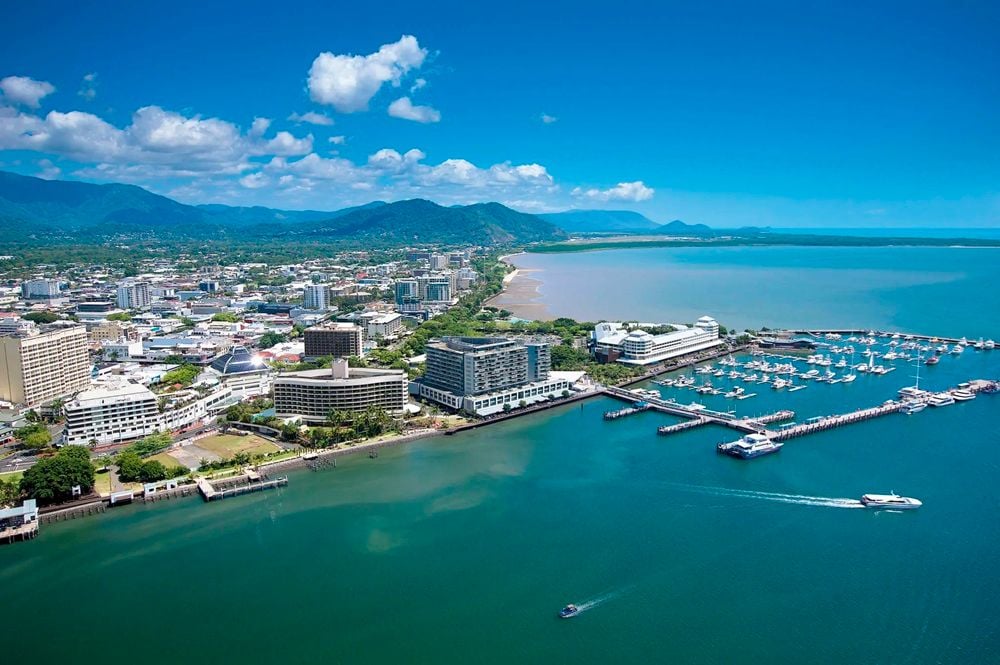)
Australia's answer to MTV reality hit Jersey Shore to be filmed in Cairns
The hit international reality MTV franchise that produced Jersey Sh...
Gold coast business newsBrisbane Business NewsAdelaide Business NewsMelbourne Business NewsSydney Business NewsPerth Business News
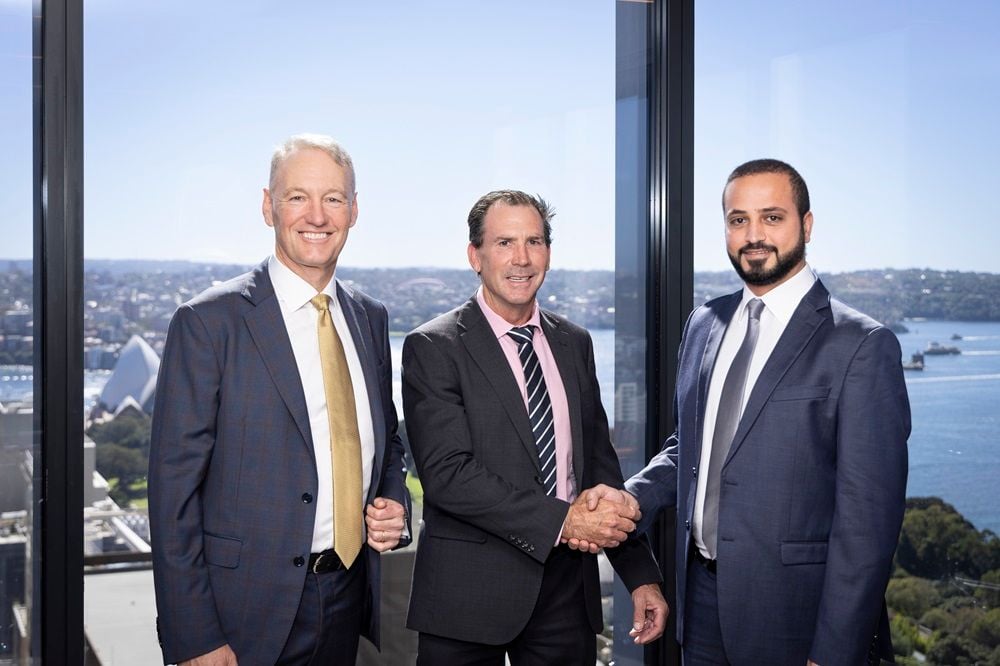)
Abu Dhabi fund ADQ buys 49pc stake in infrastructure investor Plenary for $1 billion
Abu Dhabi-based sovereign wealth fund ADQ has reached a deal to buy...
PropertyGold coast business newsBrisbane Business NewsAdelaide Business NewsMelbourne Business NewsSydney Business NewsPerth Business NewsTrending News
)
State pouring $30m into Great Keppel Island after Rinehart backs out of resort plans
The Queensland Government is injecting $30 million into an upgrade ...
Gold coast business newsBrisbane Business News
Advertisement
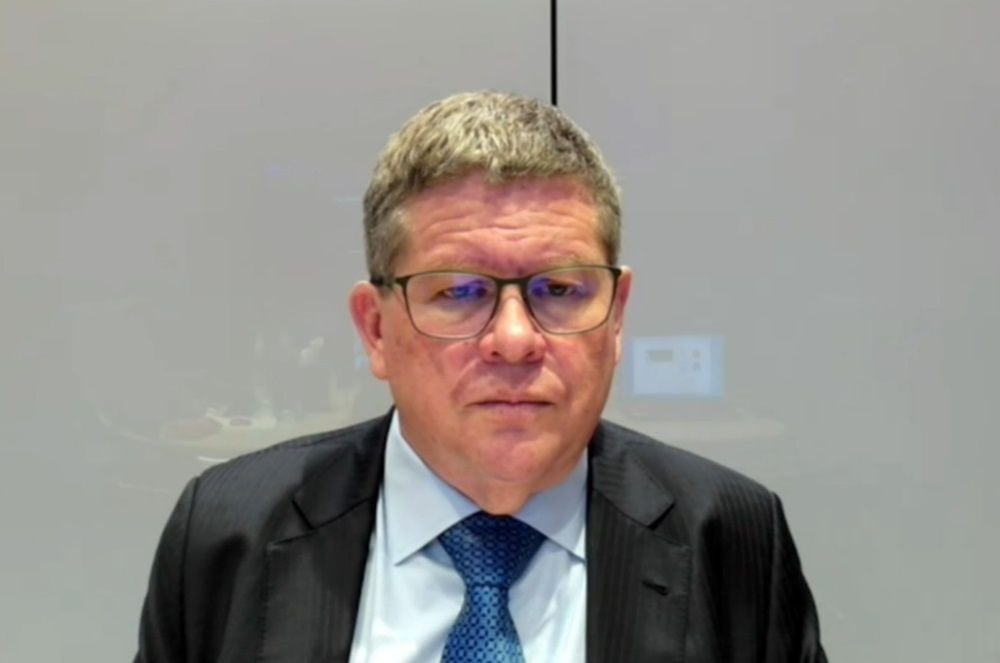)
‘Heat of the moment’: The Star’s chair regrets inflammatory texts with CEO
The Star Entertainment Group’s (ASX: SGR) executive chairman ...
)
Vastly bigger than the Black Summer: 84 million hectares of northern Australia burned in 2023
It may come as a surprise to hear 2023 was Australia’s bigges...
)
Crown retains NSW casino licence after regaining trust of regulator
Crown Resorts has regained the trust of the NSW regulator which tod...
)
Housing disaster to "get quite a lot worse before it gets better", says Deloitte Access Economics
Deloitte Access Economics is forecasting a "more promising&quo...
)
Retail M&A volume drops 32pc as deals vary from high multiples to the discount bin
The pharmacy and beauty sector accounted for nearly half the $13.35...
)
Macquarie Bank slapped with $10m fine after failing to monitor fraudulent transactions
Financial services giant Macquarie Group's (ASX: MQG) bank...
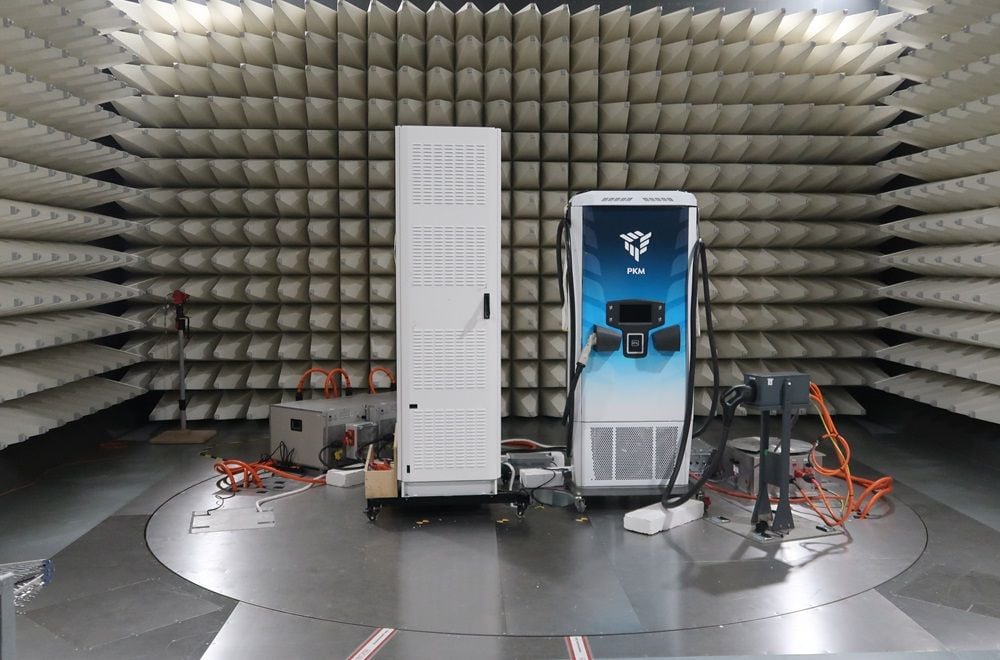)
Tritium charged down as administrators called in
Five months after attempting to turn its fortunes through jobs cuts...
)
Just Wines acquires collapsed spirit subscription service Liquor Loot for $1.2m
Only eight months since rescuing non-alcoholic specialty store Sans...
)
UniSuper pumps $623m into Macquarie green energy and climate fund
One of the nation’s largest super funds, UniSuper, has commit...
Trending News
Nick Scali to enter UK market by absorbing debt of loss-making Fabb Furniture
Australian furniture group Nick Scali (ASX: NCK) plans to raise up ...
Abu Dhabi fund ADQ buys 49pc stake in infrastructure investor Plenary for $1 billion
Abu Dhabi-based sovereign wealth fund ADQ has reached a deal to buy...
‘Heat of the moment’: The Star’s chair regrets inflammatory texts with CEO
The Star Entertainment Group’s (ASX: SGR) executive chairman ...
Lifestyle Communities sheds $254m as shares plunge on home settlements downgrade
Shares in Lifestyle Communities (ASX: LIC) have reached their lowes...
The “Uber Eats” of construction logistics: Veyor Digital raises $2.75 million in pre-series A
A Sydney-based logistics coordination software company being used b...
Vitura Health founder and Bali bombings hero Rodney Cocks resigns as CEO of cannabis group
Rodney Cocks, the CEO and co-founder of digital health group Vitura...
)
Partner Content
In today's fast-paced investment landscape, time is a valuable commodity. Fortunately, w...
Etoro
Entrepreneurship
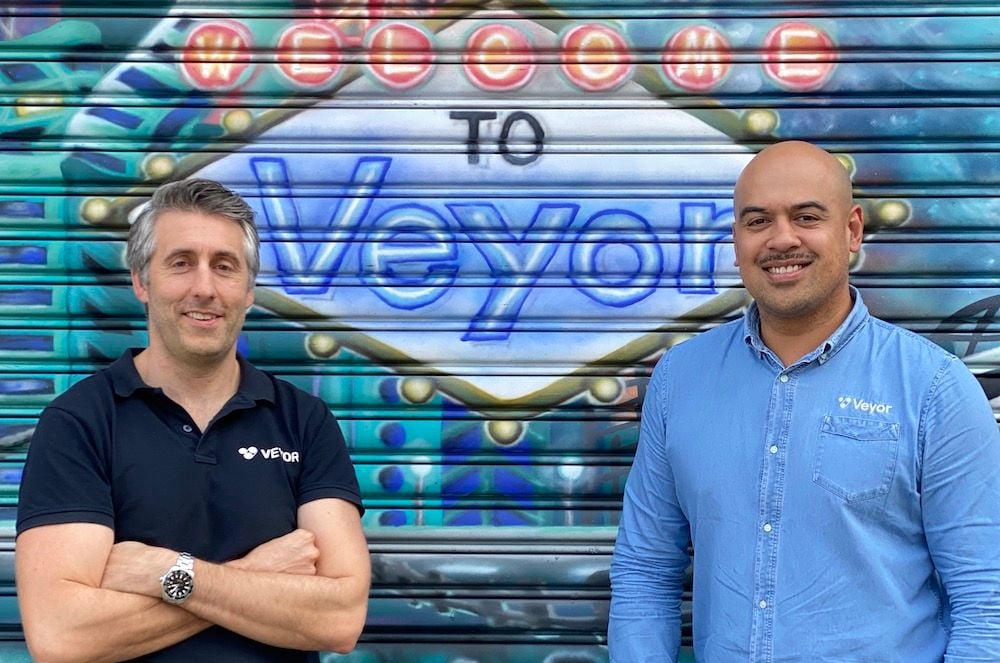)
The “Uber Eats” of construction logistics: Veyor Digital raises $2.75 million in pre-series A
A Sydney-based logistics coordination software company being used by giants like Lendlease (ASX: LLC), Westfield (ASX: SCG) and CBRE (NYSE: CBRE) has raised $2.75 million i...
)
Don’t understand predictive algorithms? Xplainable bridges the “how and why” gap of machine learning
"There is so much hype around AI. Let's just focus on...
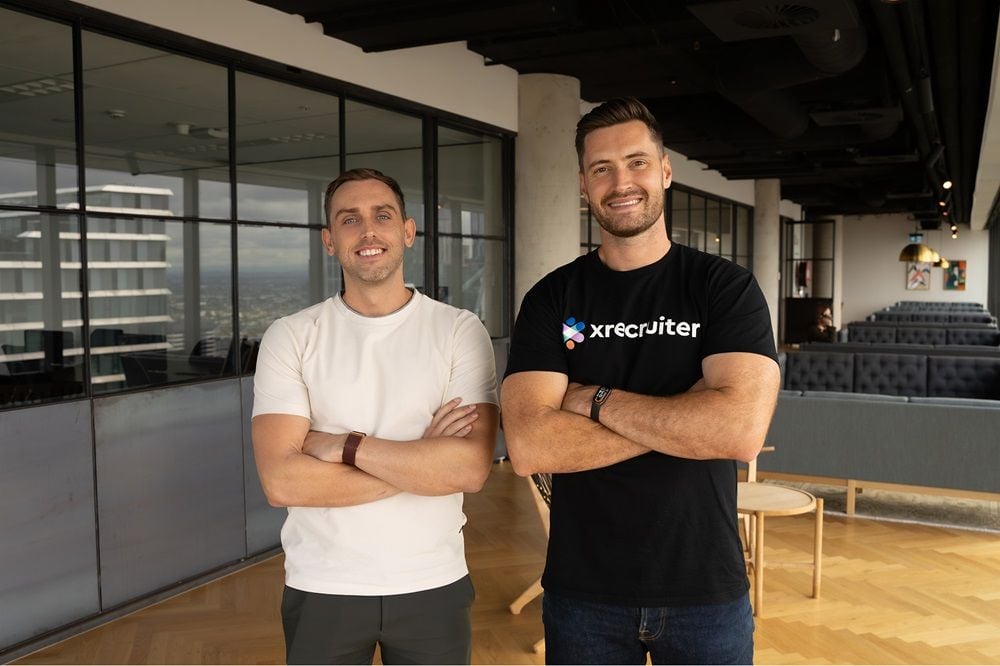)
"10x in six months": Brisbane startup Xrecruiter opens Melbourne office
A Brisbane-headquartered startup that helps recruiters strike it ou...
)
Tech Council urges merger reforms to consider Aussie startup dependence on acquisitions for exits
Amidst a significant funding gap in later-stage rounds for startups...
MERGERS AND ACQUISITIONS
)
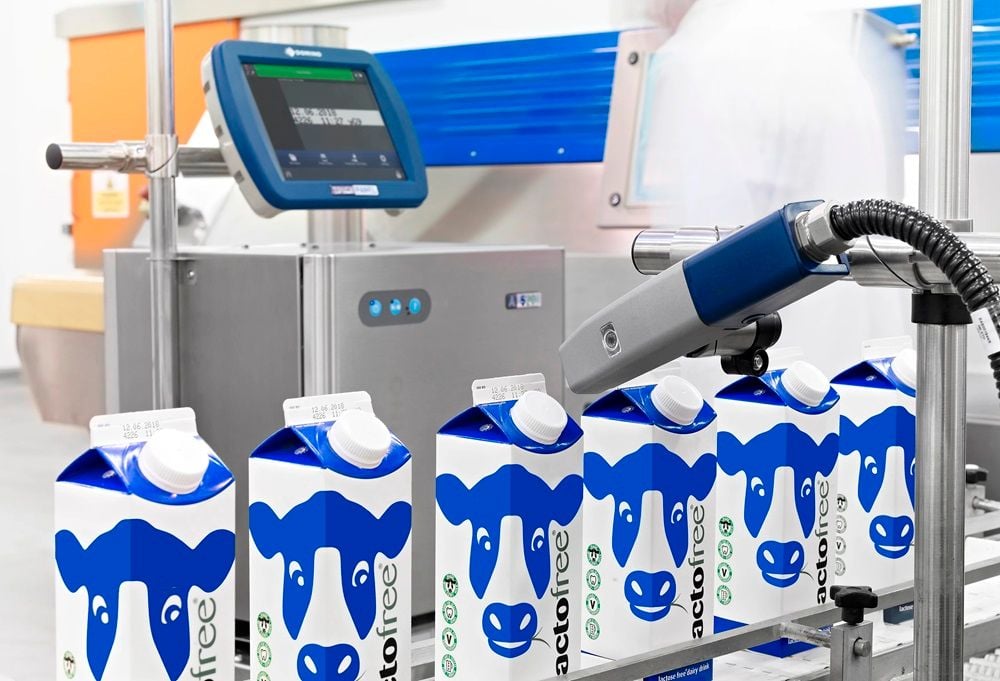
Nick Scali to enter UK market by absorbing debt of loss-making Fabb Furniture
Australian furniture group Nick Scali (ASX: NCK) plans to raise up ...
)
Two family-owned supply chain trackers and labelling experts combine as Peacock buys insignia
Two Australian family-owned supply chain trackers specialising in l...
Retail M&A volume drops 32pc as deals vary from high multiples to the discount bin
The pharmacy and beauty sector accounted for nearly half the $13.35...
Advertisement
Retail
Nick Scali to enter UK market by absorbing debt of loss-making Fabb Furniture
Australian furniture group Nick Scali (ASX: NCK) plans to raise up ...
Retail M&A volume drops 32pc as deals vary from high multiples to the discount bin
The pharmacy and beauty sector accounted for nearly half the $13.35...
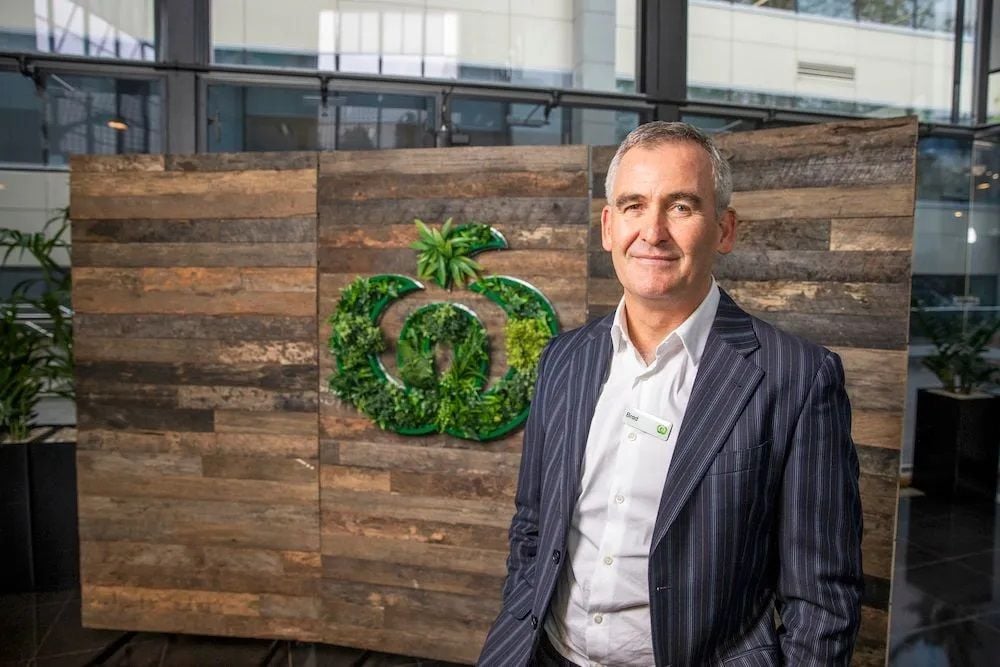)
Banducci couldn’t give senators Woolworths’ return on equity. What does the figure say about profit?
During yesterday’s senate inquiry into supermarket pricing, G...
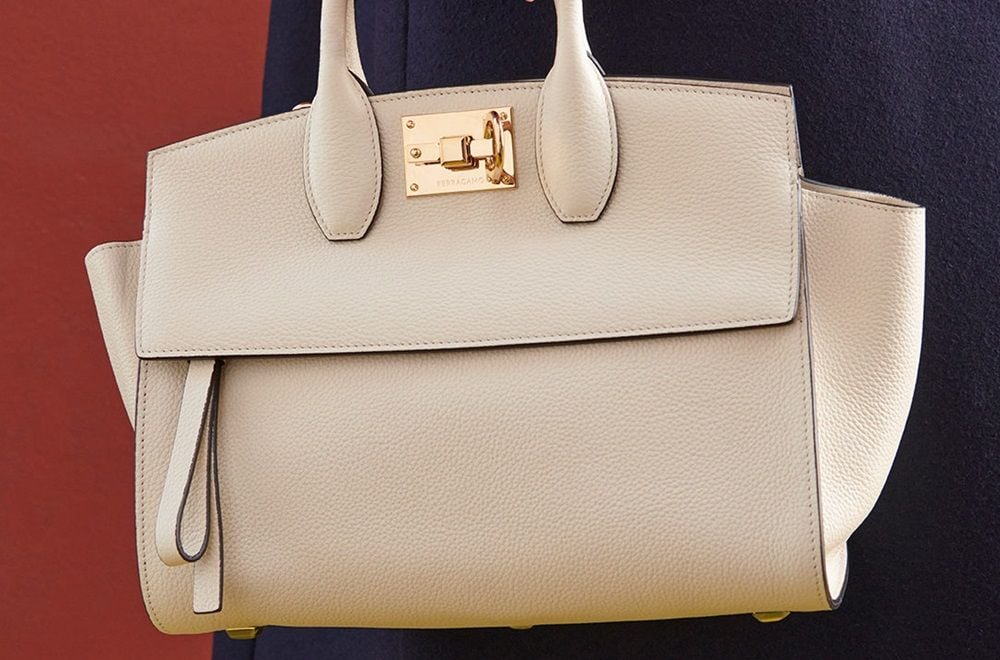)
Luxury online dropshipper Cettire sees 88pc sales growth, profit fails to keep pace
Luxury online retail marketplace and dropshipping company Cettire (...
Opinion
)
AI is making smart devices easier to hack. Here’s how to stay safe
From asking our smart speakers for the weather to receiving persona...
Banducci couldn’t give senators Woolworths’ return on equity. What does the figure say about profit?
During yesterday’s senate inquiry into supermarket pricing, G...
)
China has removed tariffs on Aussie wine, but re-establishing ourselves in the market won't be easy
China’s Ministry of Commerce has finally ended its tariffs on...

CAPITAL RAISING & FINANCE
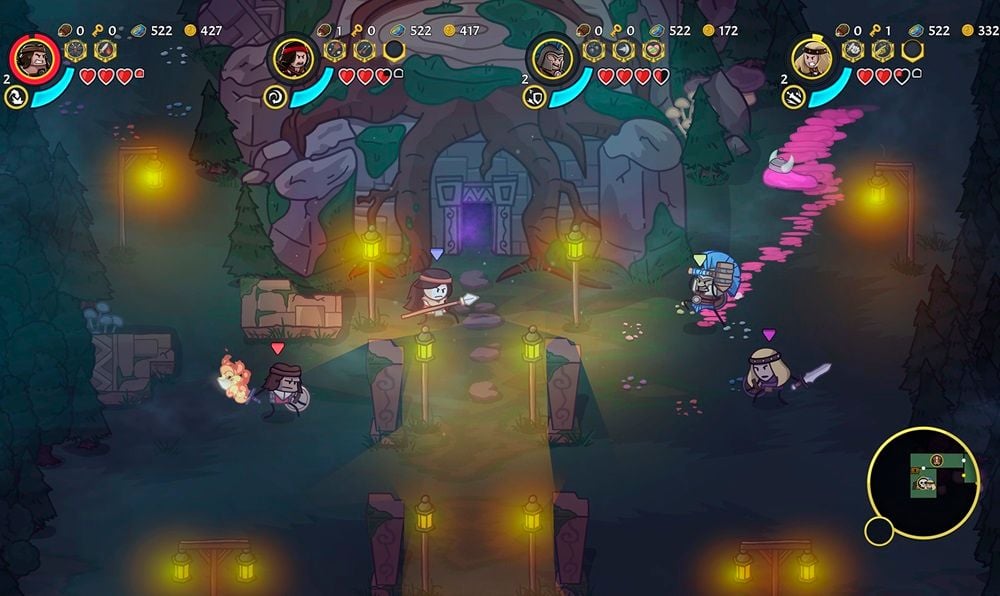)
Struggling games developer Mighty Kingdom lifts capital raise to $8.2m
Adelaide-based game developer Mighty Kingdom (ASX: MKL) will dilute...
The “Uber Eats” of construction logistics: Veyor Digital raises $2.75 million in pre-series A
A Sydney-based logistics coordination software company being used b...
)
Melbourne renewable technology group RayGen raises $50m as global opportunities beckon
Melbourne-based solar-and-storage technology company RayGen has rai...
)
DroneShield lifts capital raise to $105m as investors flock to defence tech
Counterdrone defence technology company DroneShield (ASX: DRO) has ...
Leadership
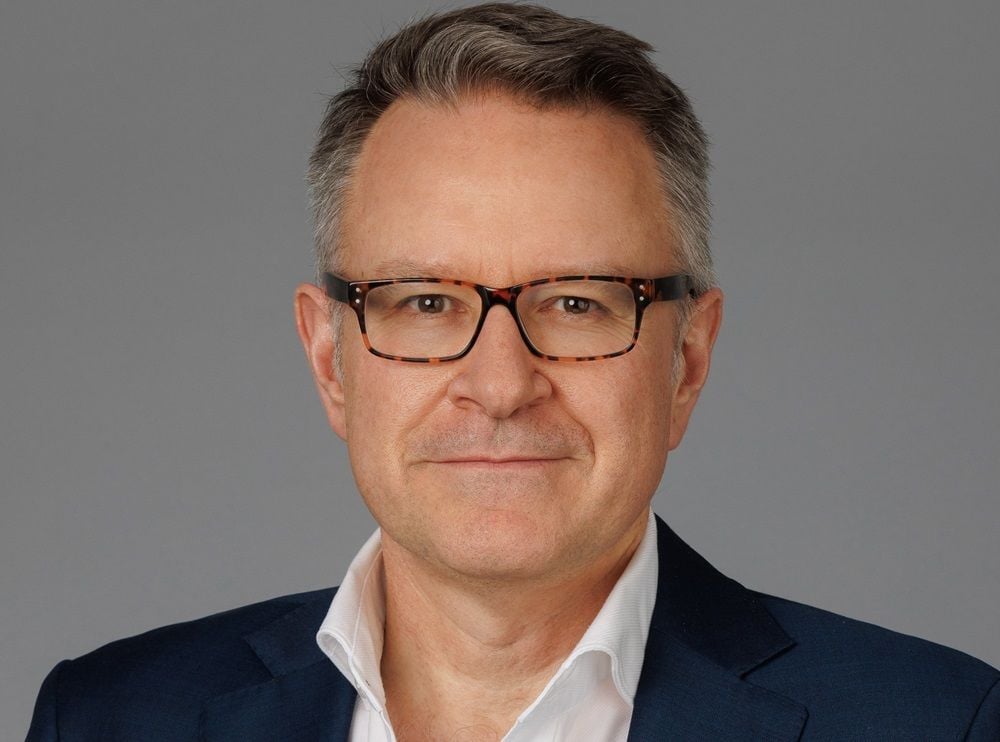)
Vitura Health founder and Bali bombings hero Rodney Cocks resigns as CEO of cannabis group
Rodney Cocks, the CEO and co-founder of digital health group Vitura...
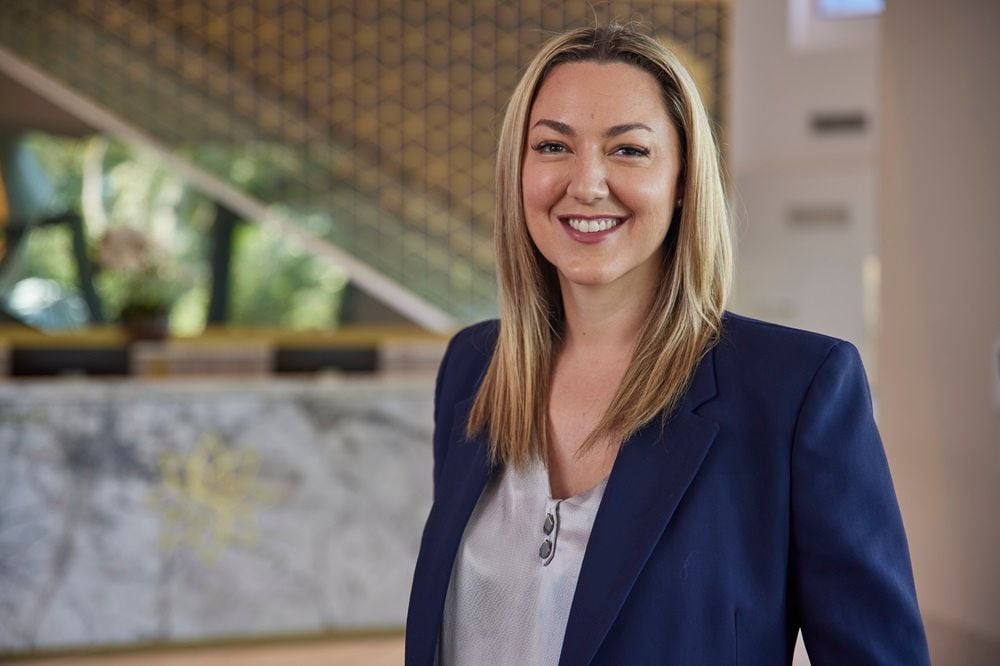)
The Star Gold Coast CEO resigns after just six months in the role
The exodus of The Star Entertainment Group's (ASX: SGR) new bre...
)
Belle Lajoie promoted to co-CEO of Soda Infrastructure
After 16 years working with serial technology entrepreneur Bevan Sl...
Advertisement
Property
Abu Dhabi fund ADQ buys 49pc stake in infrastructure investor Plenary for $1 billion
Abu Dhabi-based sovereign wealth fund ADQ has reached a deal to buy...
Housing disaster to "get quite a lot worse before it gets better", says Deloitte Access Economics
Deloitte Access Economics is forecasting a "more promising&quo...
)
IHG teams with Felix Capital for four-star Holiday Inn at Caloundra
IHG Hotels & Resorts has partnered with Sydney-based Felix Capi...
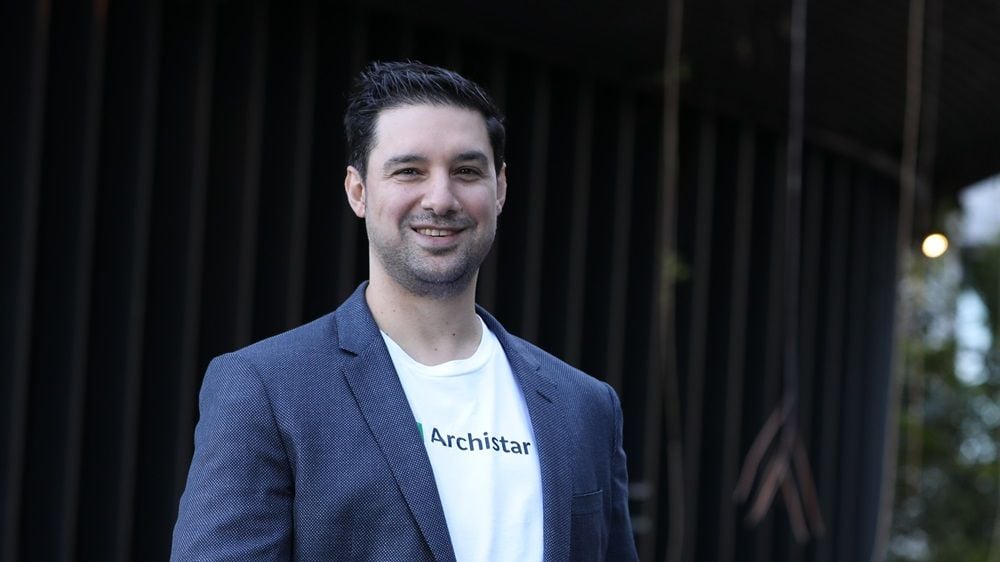)
Proptech Archistar teams up with Blackfort to deploy loans, kicks off with Simonds Group
Two Sydney-based companies that use artificial intelligence (AI) to...
Health
)
LuminaX Healthtech Accelerator accepts record cohort of founders for 2024
The Gold Coast’s LuminaX HealthTech Accelerator has accepted ...
)
Zea Relief gets a healthy boost to its retail footprint through Woolworths distribution deal
Zea Relief, a Tasmanian wellness scale-up that has developed a rang...
)
AI medtech Artrya secures first Australian commercial agreement with The Cardiac Centre NSW
Perth-based medtech Artrya (ASX: AYA) has secured the first commerc...
)
Australia’s biggest chemist is merging with a giant wholesaler. Could we soon be paying more?
Corporate Australia loves a big merger. And amid a growing flurry o...
Technology
The “Uber Eats” of construction logistics: Veyor Digital raises $2.75 million in pre-series A
A Sydney-based logistics coordination software company being used b...
Melbourne renewable technology group RayGen raises $50m as global opportunities beckon
Melbourne-based solar-and-storage technology company RayGen has rai...
DroneShield lifts capital raise to $105m as investors flock to defence tech
Counterdrone defence technology company DroneShield (ASX: DRO) has ...
Don’t understand predictive algorithms? Xplainable bridges the “how and why” gap of machine learning
"There is so much hype around AI. Let's just focus on...
Legal
‘Arrogant, not listening, not fast enough’: Former Star CEO reveals NSW casino regulator’s gripes
The Star Entertainment Group's (ASX: SGR) former CEO Robbie Coo...
‘Heat of the moment’: The Star’s chair regrets inflammatory texts with CEO
The Star Entertainment Group’s (ASX: SGR) executive chairman ...
Crown retains NSW casino licence after regaining trust of regulator
Crown Resorts has regained the trust of the NSW regulator which tod...
Advertisement
Partner Content
Partner Content
In today's fast-paced investment landscape, time is a valuable commodity. Fortunately, w...
Etoro)
Partner Content
Private credit specialist Finexia Financial Group (ASX: FNX) has secured a “very...
Finexia)
Partner Content
After relocating his Canberra-founded company Whitefox Recruitment to the Gold Coast la...
Whitefox Recruitment)
Partner Content
Armed with a growing business and a great opportunity, a business owner’s next challe...
Australian Business Growth Fund